Conditions We Treat

Foot & Lower Limb Conditions Treated in Centurion, Gauteng

Foot pain, nail problems, skin concerns, and walking difficulties are far more common than most people realise — and they are rarely things you simply have to live with. At Feet Ahead Podiatry, we treat a comprehensive range of conditions affecting patients of all ages, backgrounds, and activity levels.

Whether you have been suffering for years or noticed a problem only recently, our experienced podiatrists will help you understand what is happening and create a personalised plan to get you walking comfortably again.

012 661 0593
No referral needed Same-week appointments All ages welcome Medical aid accepted
100+Conditions Treated
30+Years Experience
AllAges Welcome
2Expert Podiatrists

Foot Pain & Walking Problems

Pain while walking, standing, or exercising disrupts daily life and confidence. Many patients tolerate foot pain for months before seeking help — but most causes respond well to professional podiatric treatment.

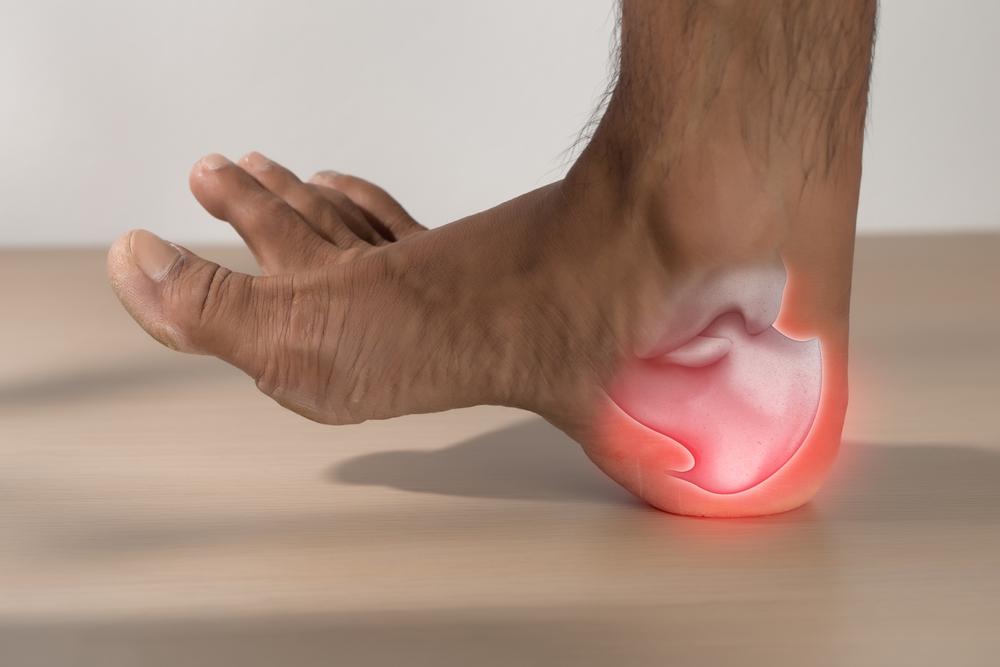
Person holding painful heel — plantar fasciitis and heel pain treatment
Heel Pain

Heel Pain & Plantar Fasciitis

Heel pain is one of the most common reasons patients visit a podiatrist. The most frequent cause is plantar fasciitis — inflammation of the band of tissue connecting the heel bone to the toes. It typically produces a stabbing pain under the heel, worst with the first steps in the morning or after sitting. Left untreated, it often worsens over time.

Common Signs

  • Sharp stabbing pain under the heel on waking
  • Pain after long periods of standing or walking
  • Tenderness along the arch or heel edge
  • Pain that improves after warming up, then returns

How We Help

Biomechanical assessment, strapping, inner soles, stretching programmes, and targeted exercises to relieve pressure and correct the underlying cause.

Person stretching Achilles tendon — Achilles tendinopathy treatment at podiatry clinic
Achilles Pain

Achilles Tendinopathy

Achilles tendinopathy refers to pain, stiffness, and swelling at the back of the ankle where the Achilles tendon attaches the calf muscles to the heel bone. It commonly affects runners, people who have increased their activity suddenly, or those who stand for long hours. Without treatment, the tendon can weaken and become at risk of rupture.

Common Signs

  • Pain or stiffness at the back of the ankle in the morning
  • Tenderness when pressing the Achilles tendon
  • Swelling or a thickened feel to the tendon
  • Pain during or after exercise

How We Help

Load management advice, heel lifts, specific strengthening exercises, strapping, and inner sole therapy to reduce stress on the tendon during recovery.

Flat feet and arch pain — inner soles and foot support for flat foot
Flat Feet

Flat Feet & Arch Pain

Flat feet (pes planus) occur when the arches of the feet make full or near-full contact with the ground. While some people have flat feet with no discomfort, others experience chronic arch pain, tired legs, knee pain, and lower back ache caused by altered foot mechanics. Foot supports and targeted exercises can significantly improve symptoms and alignment.

Common Signs

  • Aching in the arch or inner ankle after activity
  • Tired, heavy feet by the end of the day
  • Knee or lower back discomfort linked to walking
  • Shoes wearing unevenly on the inner edge

How We Help

Gait analysis, biomechanical assessment, custom inner soles, footwear advice, and strengthening exercises to improve arch support and reduce pain.

Ball of foot pain — metatarsalgia treatment by podiatrist in Centurion
Ball of Foot

Ball of Foot Pain (Metatarsalgia)

Metatarsalgia describes pain and inflammation in the ball of the foot — the padded area just behind the toes. It commonly affects people who spend long hours on their feet, wear high heels regularly, participate in high-impact sports, or have certain foot shapes. The pain is often described as a burning, aching, or pebble-like sensation under the forefoot.

Common Signs

  • Sharp, aching pain in the ball of the foot
  • Feeling like there is a stone or lump underfoot
  • Numbness or tingling in the toes
  • Worsening pain when standing barefoot or in thin-soled shoes

How We Help

Metatarsal padding, inner soles, footwear advice, and pressure redistribution to relieve pain at the forefoot.

Nail Conditions

Nail problems can be painful, embarrassing, or both. Many people delay treatment because they feel self-conscious or assume nothing can be done. Professional podiatric care resolves most nail conditions effectively.

Podiatrist treating ingrown toenail — professional nail care in Centurion
Ingrown Toenail

Ingrown Toenails

An ingrown toenail occurs when the edge of the nail grows into the surrounding skin rather than over it, causing pain, redness, swelling, and sometimes infection. Ingrown toenails are extremely common and affect people of all ages. They are often caused by incorrect nail cutting, tight footwear, or naturally curved nail edges. Conservative care resolves milder cases; surgical treatment offers a long-term solution for recurring ingrown toenails.

Common Signs

  • Pain and tenderness along the nail edge
  • Redness and swelling around the toenail
  • Skin growing over the edge of the nail
  • Discharge or infection around the nail fold

How We Help

Conservative nail care for mild cases; partial nail avulsion (minor in-room surgery under local anaesthetic) for persistent or infected ingrown toenails — with a success rate exceeding 95%.

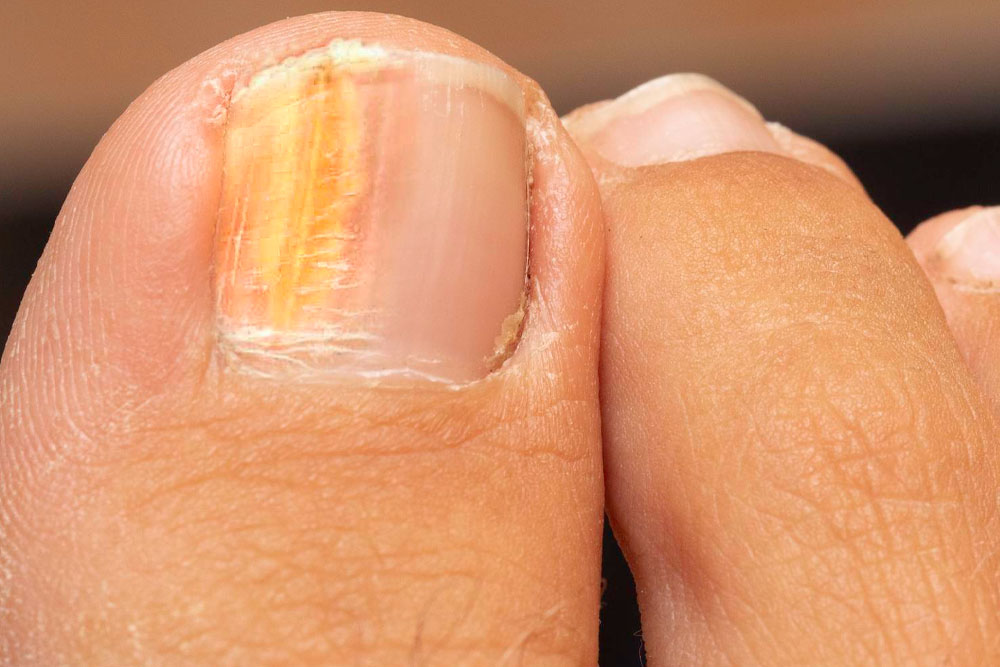
Thickened, discoloured toenail from fungal nail infection — onychomycosis treatment Centurion
Fungal Nails

Fungal Nail Infection (Onychomycosis)

Fungal nail infection (onychomycosis) is one of the most common nail conditions affecting adults. A fungal organism invades the nail, causing it to become thickened, discoloured (yellow, brown, or white), brittle, and in some cases, separated from the nail bed. Many people feel embarrassed and hide their feet — but fungal nail infections respond well to consistent, targeted treatment.

Common Signs

  • Yellow, white, brown, or greenish nail discolouration
  • Thickened, hard, or crumbly nail texture
  • Nail lifting away from the nail bed
  • Spreading to adjacent nails or surrounding skin

How We Help

Nail debridement, topical antifungal treatments, and management plans for clearance and prevention of recurrence, with advice on hygiene and footwear.

Professional toenail care at a podiatry clinic — thick nail treatment
Thick Nails

Thickened Toenails

Toenails can become abnormally thick due to fungal infection, trauma, ageing, poor circulation, or psoriasis. Thick nails can be difficult and painful to cut, uncomfortable inside shoes, and prone to further damage. Many elderly patients find thickened nails particularly challenging to manage safely at home. Professional podiatric nail care provides relief and prevents complications.

Common Signs

  • Nails that are very hard or impossible to cut at home
  • Nails that curve inwards or downwards with growth
  • Discomfort inside shoes due to nail thickness
  • Nail changes that have developed gradually over time

How We Help

Professional nail reduction and debridement, diagnosis of the underlying cause, and regular maintenance appointments to keep nails comfortable and safe.

Skin & Sweat Conditions

Skin conditions on the feet are often dismissed as cosmetic concerns. In reality, untreated skin problems can become painful, spread, and significantly affect your quality of life. We treat all skin foot conditions in a calm, non-judgmental environment.

Callus and corn on the sole of the foot — podiatry treatment and removal
Corns & Calluses

Corns & Calluses

Corns and calluses are areas of thickened, hardened skin that form in response to repeated pressure or friction. Calluses typically develop on the soles and heels; corns are smaller, more defined, and often have a hard central core that presses into the skin with weight bearing — causing a sharp, often significant pain. Both are very common and highly treatable.

Common Signs

  • Thick, rough patches of hard skin on the sole or heel
  • A small, circular, painful area on a toe or bony prominence
  • Pain when pressing on or walking over the area
  • Skin that feels dry or waxy in a concentrated area

How We Help

Safe, pain-free debridement of corns and calluses, padding to redistribute pressure, footwear assessment, and advice to prevent recurrence.

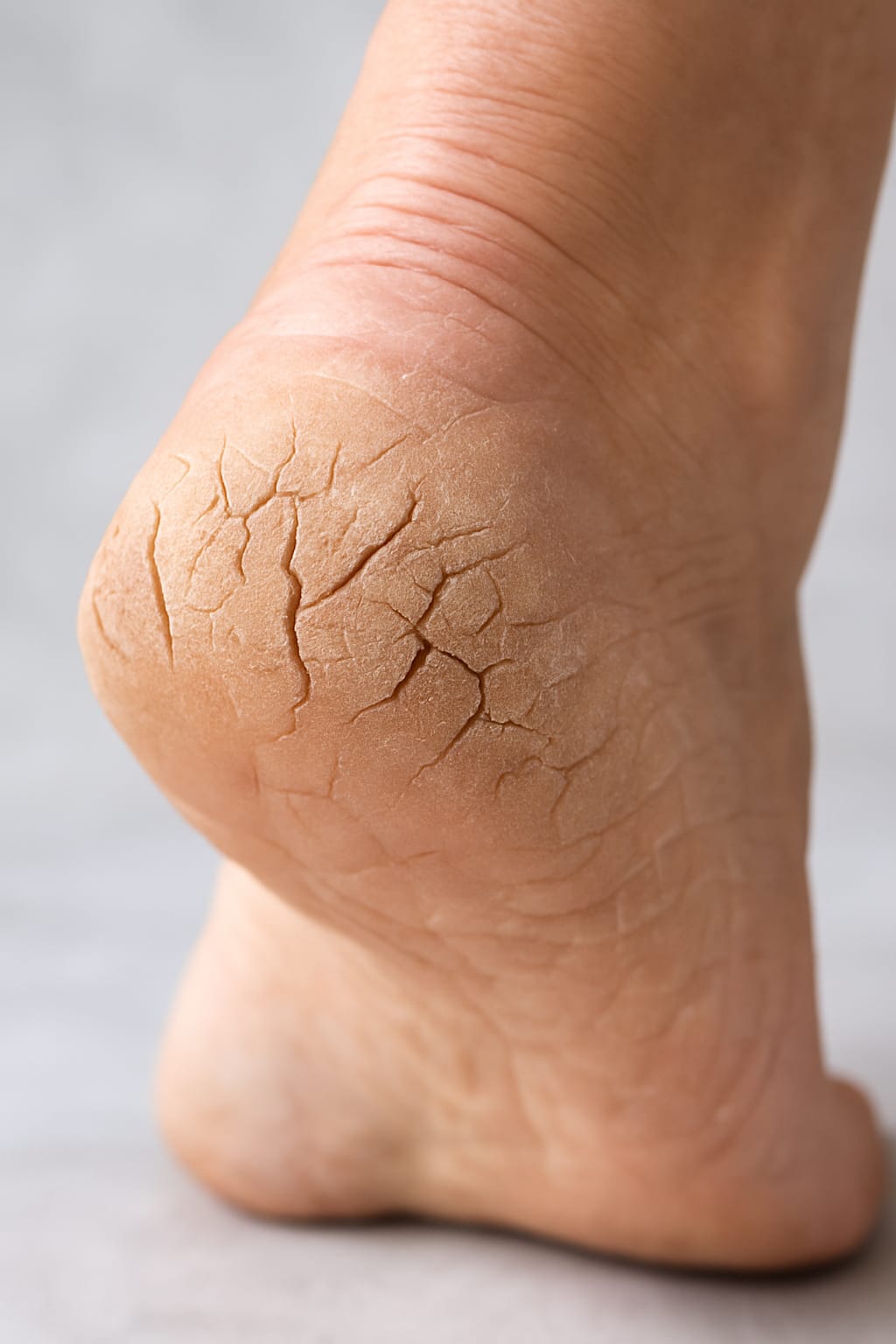
Cracked, dry heels — heel fissure treatment by a podiatrist in Centurion
Cracked Heels

Cracked Heels (Heel Fissures)

Cracked heels — or heel fissures — occur when the skin around the heel becomes excessively dry, thickens into callus, and then splits. In mild cases, the cracks are superficial and mainly a cosmetic concern. When left untreated, deeper fissures can become painful, bleed, and introduce infection. Cracked heels are particularly concerning for diabetic patients. They are very effectively treated with professional podiatric care.

Common Signs

  • Visible cracks or splits around the edges of the heel
  • Dry, hard, or thickened skin around the heel rim
  • Pain when standing or walking on bare feet
  • Bleeding or discomfort if cracks become deep

How We Help

Callus debridement, prescribed emollient therapy, moisture-barrier treatments, and ongoing management advice to restore smooth, pain-free heels.

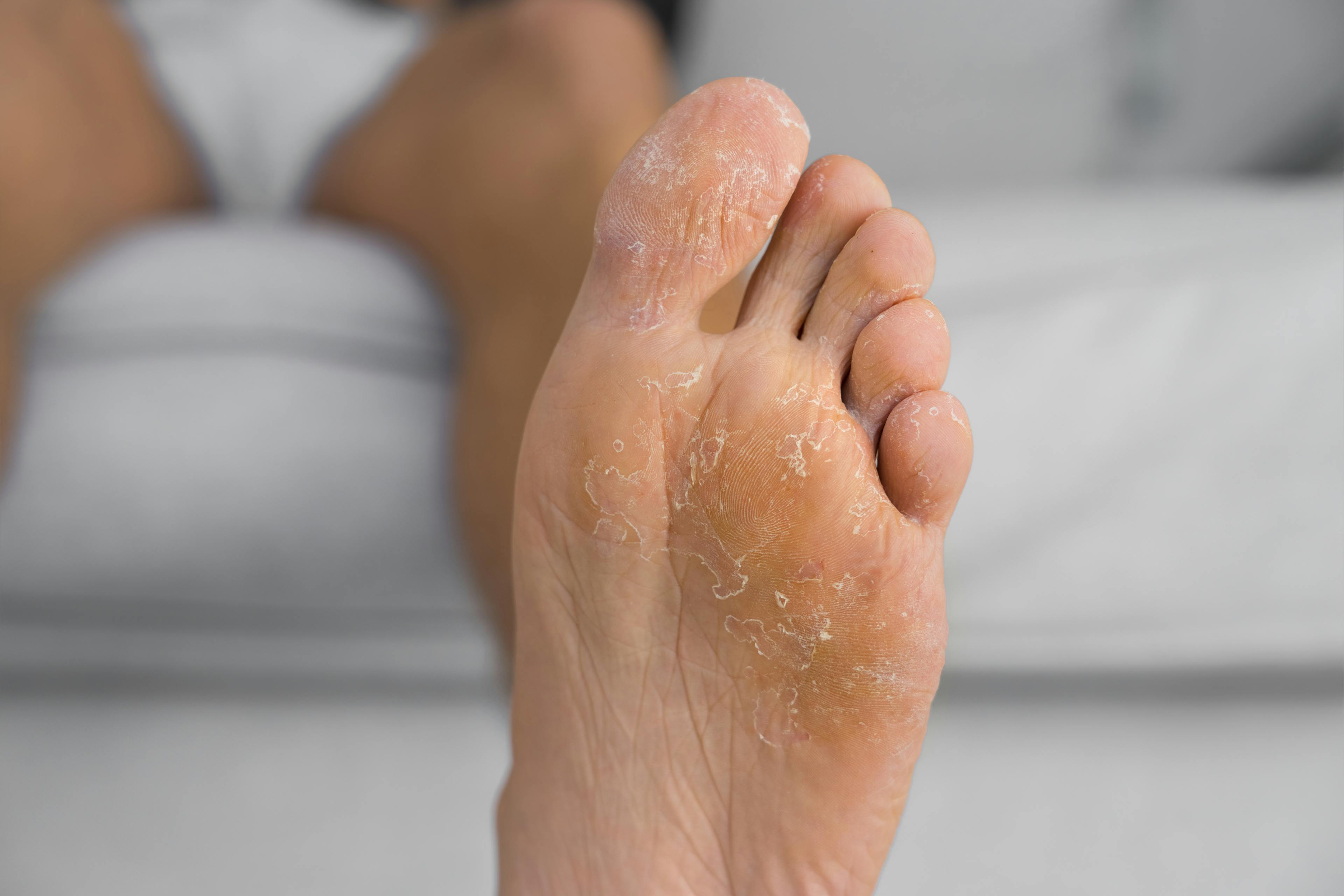
Athlete's foot — foot hygiene and fungal skin infection treatment
Athlete's Foot

Athlete's Foot (Tinea Pedis)

Athlete's foot is a common fungal infection of the skin of the feet, most often affecting the spaces between the toes. Despite the name, it affects people of all activity levels. It spreads easily in warm, moist environments — changing rooms, swimming pools, shared showers. Many people mistake it for dry skin or eczema and leave it untreated, allowing it to spread to the nails or other areas of the foot.

Common Signs

  • Itching, stinging, or burning between the toes
  • Peeling, cracking, or flaking skin on the foot
  • Dry, scaly skin on the sole that does not respond to moisturiser
  • Small blisters on the foot that weep or crust

How We Help

Accurate diagnosis, topical antifungal treatment, hygiene advice, and footwear guidance to clear the infection and prevent recurrence.

Podiatrist examining foot — verruca and wart treatment in Centurion
Foot Warts

Verruca pedis (Plantar Warts)

Verruca pedis — also called plantar warts — are small, often painful viral growths on the sole of the foot, caused by the human papillomavirus (HPV). They can feel like standing on a small pebble or sharp stone. Unlike other warts, they are pushed inward by body weight, which can make them quite uncomfortable. They are contagious and spread easily on wet surfaces and in communal areas.

Common Signs

  • A small, rough, flat or slightly raised growth on the sole
  • Pain or discomfort when walking or standing
  • Tiny black dots within the skin (small blood vessels)
  • A cluster of smaller warts growing together

How We Help

Topical acid treatments, debridement, and monitoring. For resistant verrucae, more advanced treatment options are discussed at consultation.

Sweaty feet and foot odour — podiatry treatment and hygiene advice
Foot Odour

Foot Odour & Excessive Sweating

Persistent foot odour and excessive sweating (hyperhidrosis of the feet) are more common than many people admit. They can cause significant social embarrassment, lead to fungal infections, and affect confidence at work, in public, and at home. The condition often has a treatable underlying cause — whether fungal, bacterial, or related to sweat gland activity — and should not simply be accepted as normal.

Common Signs

  • Strong or persistent foot odour despite regular washing
  • Feet that are constantly wet or damp inside shoes
  • Socks soaked through even without heavy physical activity
  • Skin between the toes that becomes soft, white, or macerated

How We Help

Identification of contributing factors, prescribed antifungal or antibacterial treatments, moisture-wicking sock advice, and foot hygiene protocols.

Toe Deformities

Structural changes to the toes affect footwear comfort, confidence, and walking mechanics. Early podiatric assessment can slow progression and significantly reduce pain without surgery in many cases.

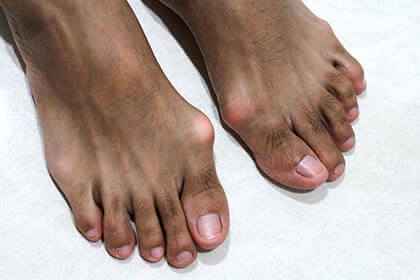
Bunion deformity on the big toe — bunion treatment in Centurion
Bunions

Bunions (Hallux Valgus)

A bunion is a bony protrusion that forms at the base of the big toe joint when the big toe gradually angles towards the smaller toes, forcing the joint outwards. Bunions are often hereditary but can be aggravated by narrow, pointed, or high-heeled footwear. They cause pain, redness, swelling, and difficulty finding comfortable shoes. Conservative podiatric treatment cannot straighten the joint, but it significantly reduces pain and slows progression.

Common Signs

  • A bony bump on the inner edge of the foot at the big toe joint
  • Redness, swelling, or soreness around the big toe joint
  • The big toe pushing towards or overlapping the second toe
  • Pain that worsens with walking, standing, or tight shoes

How We Help

Padding, toe separators, inner soles, footwear advice, and exercises to manage pain and slow progression. Surgical referral arranged where necessary.

Hammertoe and toe deformity — podiatry assessment and treatment
Hammertoes

Hammertoes & Claw Toes

A hammertoe is a deformity in which one or more of the smaller toes bend abnormally at the middle joint, causing the toe to resemble a hammer. Claw toes bend at both the middle and end joints. Both conditions are often caused by an imbalance between the muscles and tendons that control toe movement. They can cause corns, calluses, pain in shoes, and difficulty walking comfortably.

Common Signs

  • Toes that are bent, curled, or crossed over each other
  • Corns or calluses on the top or tip of the bent toe
  • Pain or difficulty wearing normal footwear
  • Toe stiffness or limited range of movement

How We Help

Padding, toe props, splinting, exercises to strengthen toe muscles, and inner soles to reduce pressure and improve toe alignment.

Diabetic Foot Conditions

Diabetes significantly increases the risk of serious foot complications. Regular podiatric screening and preventive care are among the most important health investments a diabetic patient can make. Our senior podiatrist has extensive specialist experience in diabetic foot management.

Diabetic foot assessment — swollen feet, circulation and nerve screening at Feet Ahead Podiatry

Why Diabetic Foot Care is Critical

Diabetes can reduce blood circulation and damage the nerves in the feet (peripheral neuropathy), meaning cuts, blisters, pressure sores, and infections may go unnoticed until they become serious. Diabetic foot ulcers are one of the leading causes of preventable hospitalisation and limb amputation in South Africa.

Regular professional foot checks — at least once a year, and more frequently for higher-risk patients — allow early identification and treatment of problems before they escalate.

Peripheral Neuropathy Loss of sensation in the feet, often described as numbness, tingling, or burning, making it difficult to detect injury.
Poor Circulation (Peripheral Arterial Disease) Reduced blood flow to the feet slows healing and increases infection risk.
Diabetic Foot Ulcers Open sores that develop from undetected pressure, injury, or friction and are slow to heal due to impaired circulation.
Infection & Wound Care Diabetic patients are at greater risk of foot infections requiring specialist wound care and management.
Annual Foot Screening Comprehensive vascular and neurological assessment to identify risk factors early and implement preventive care.

Important: Diabetic patients should inspect their feet daily and seek prompt podiatric attention for any cut, blister, sore, change in colour, swelling, or unusual odour. Never ignore a foot wound if you have diabetes.

Sports & Activity-Related Foot Conditions

Sport places extraordinary repetitive demands on the feet and lower limbs. Our podiatrists work with athletes and active individuals of all ages and levels to resolve injuries, address biomechanical causes, and support safe return to activity.

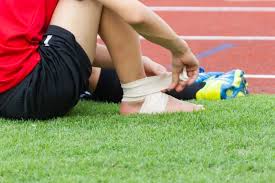
Sports ankle injury — athlete with strapped ankle on a running track
Sports Injuries

Sports Foot & Ankle Injuries

From ankle sprains and shin splints to Achilles tendon injuries and stress fractures, sport-related foot and lower limb conditions require proper diagnosis and a structured recovery plan. Many sports injuries have a biomechanical contributing factor — meaning that without addressing how the foot and lower limb function under load, the injury is likely to recur.

Common Sports Conditions We Treat

  • Ankle sprains and chronic ankle instability
  • Shin splints (medial tibial stress syndrome)
  • Stress fractures of the foot or ankle
  • Sesamoiditis and runner's knee

How We Help

Biomechanical and gait assessment, sports-specific inner soles, strapping and bracing, load management plans, and return-to-sport rehabilitation programmes.

Runner experiencing shin pain — shin splints and overuse injury podiatry treatment
Running Injuries

Running & Overuse Injuries

Runners and endurance athletes frequently develop overuse injuries — conditions caused not by a single incident but by the accumulation of repetitive stress. These range from shin splints and IT band syndrome to plantar fasciitis, Achilles tendinopathy, and stress fractures. Proper foot mechanics and appropriate training load are the cornerstones of prevention and treatment.

Common Signs

  • Pain that starts during a run and worsens over time
  • Persistent soreness after activity that takes days to resolve
  • Tenderness along the shin, heel, or arch
  • Pain that begins well into a run rather than at the start

How We Help

Running gait analysis, biomechanical assessment, training load advice, sport-specific inner soles, and a structured return-to-running plan.

Children's Foot Conditions

Children's feet grow rapidly and are particularly susceptible to certain conditions. Early identification and treatment can prevent problems from persisting into adulthood. Our team creates a welcoming environment for young patients and their families.

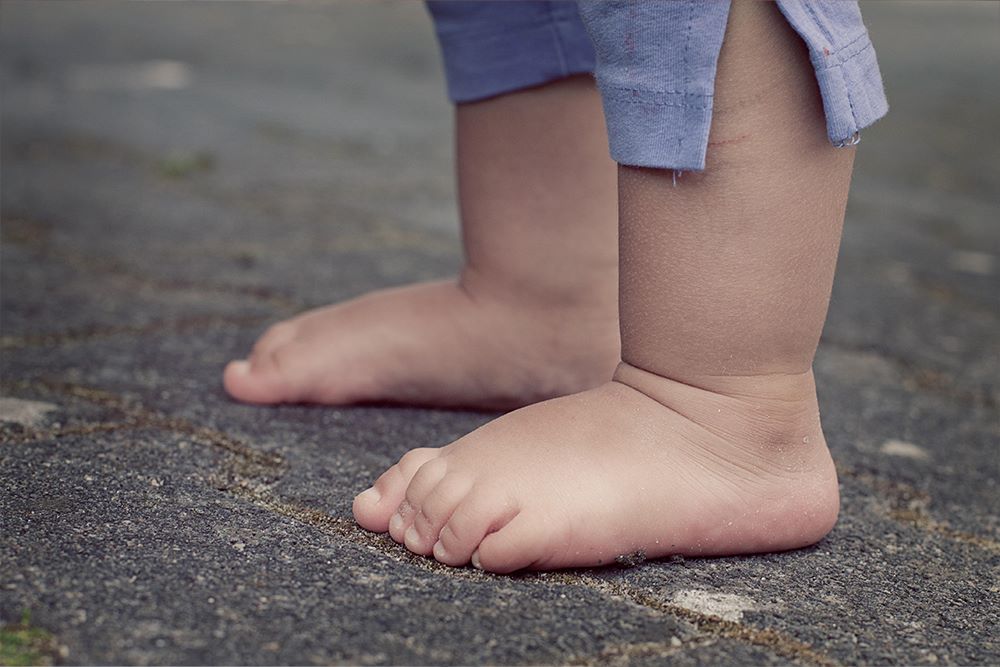
Child's feet — Sever's disease heel pain and children's podiatry
Sever's Disease

Sever's Disease (Children's Heel Pain)

Sever's disease is the most common cause of heel pain in active children, typically affecting those aged 8–14 years. It occurs when the growth plate at the back of the heel becomes inflamed due to rapid growth combined with physical activity. The condition is self-limiting but can be very painful and frustrating for young athletes. It responds well to targeted podiatric management.

Common Signs

  • Heel pain in an active child aged 8–14 years
  • Pain worsening during or after sport
  • Limping or walking on the toes to avoid heel contact
  • Tenderness when squeezing the sides of the heel

How We Help

Activity modification advice, heel cups and padding, stretching programmes, footwear assessment, and a monitored return-to-sport plan.

Children's flat feet and walking posture — paediatric podiatry assessment in Centurion
Children's Flat Feet

Children's Flat Feet & Walking Concerns

All babies and young toddlers have flat feet — the arch develops gradually through childhood. By age 5 or 6, an arch should be visible. When flat feet persist, are associated with pain, or cause an abnormal walking pattern (in-toeing, out-toeing, tripping), a podiatric assessment is recommended. Early intervention with inner soles and exercises can support healthy arch development and prevent compensatory problems in the knees and hips.

When to Seek Assessment

  • Flat feet still present after age 5 with associated pain
  • Child complaining of foot or leg pain after activity
  • Unusual walking pattern — in-toeing, out-toeing, or toe walking
  • Frequent tripping, reluctance to walk or run

How We Help

Paediatric gait and biomechanical assessment, custom inner soles designed for growing feet, footwear guidance, and exercises to support healthy development.

When Should You See a Podiatrist?

Many people wait too long before seeking help for foot problems. You do not need a GP referral — and you do not need to be in severe pain to benefit from professional podiatric assessment. Book an appointment if you notice any of the following:

Walking has become painful or difficult
You have foot or heel pain most days
Your nails look thickened, discoloured, or damaged
You have an ingrown toenail that is not improving
You notice hard skin, corns, or painful areas underfoot
You are diabetic and have any foot concern, however small
Foot or ankle pain is stopping you from exercising
Your child is complaining of foot or leg pain
You have a wound, sore, or blister that is not healing
Foot odour or sweating is affecting your confidence

Ready to Get Started?

Same-week appointments available. No referral required. Medical aid accepted.

012 661 0593 WhatsApp Us

138 Panorama Road, Centurion, Gauteng

Chat on WhatsApp